
Underground Downspouts: How They Protect Your Foundation from Water Damage
Water pooling near your foundation is easy to ignore at first. Maybe you notice a soggy flowerbed after heavy rain, mulch washing away under a downspout, or a damp basement after storms. Over time, those small signs can point to a bigger drainage problem around your home.
Underground downspouts are designed to move roof water away from the foundation instead of letting it dump right at the base of the house. For homeowners in Western MA and Hartford County, CT, this can be an important upgrade for protecting foundations, basements, landscaping, and walkways from water damage.
What Are Underground Downspouts?
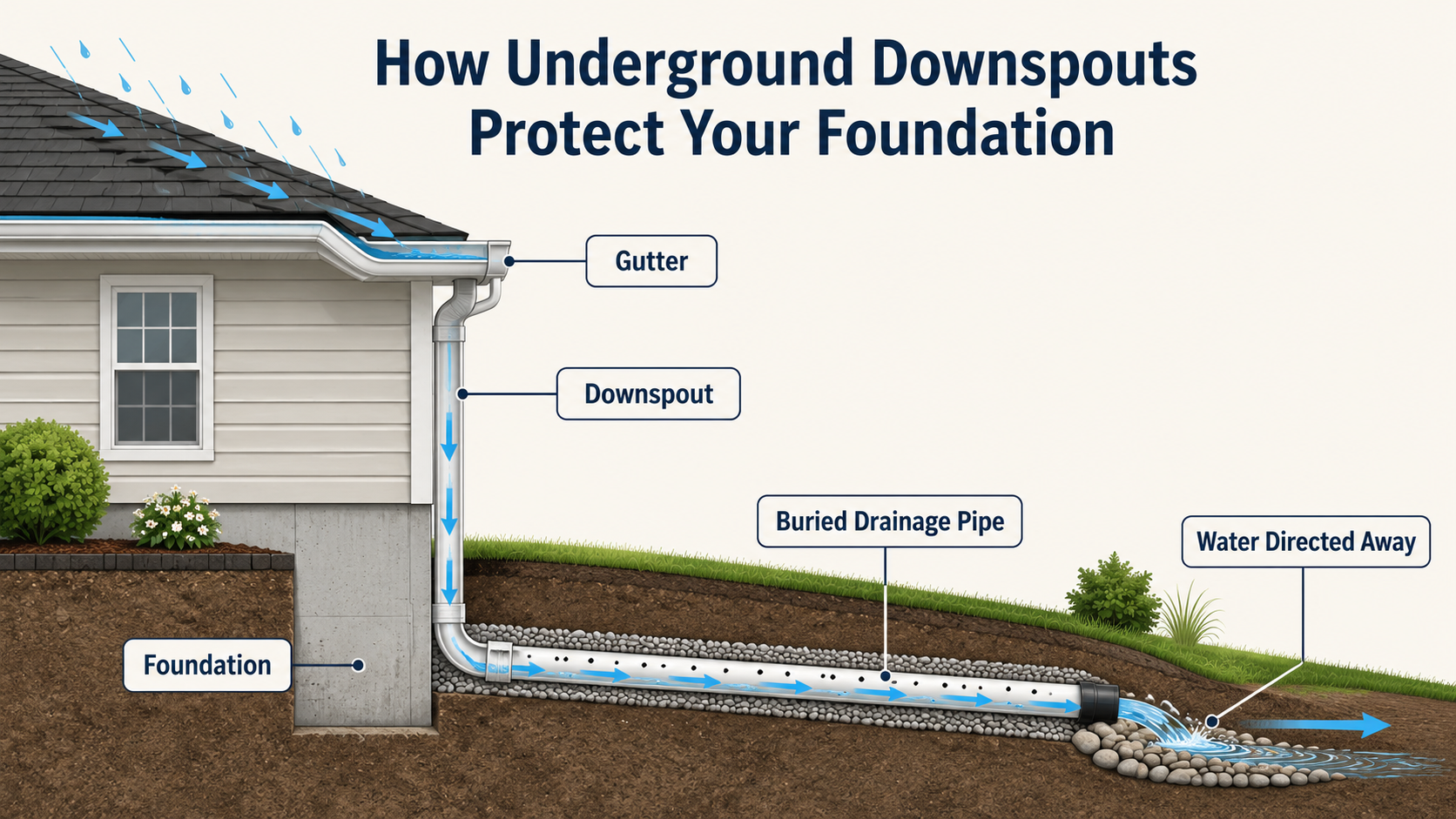
Underground downspouts connect the bottom of your downspout to a buried drainage pipe. Instead of water pouring out next to the home, the pipe carries that water away to a safer discharge point in the yard. This may be a pop up emitter, a daylight outlet, or another drainage area depending on the layout of the property.
The goal is simple: get roof water away from the foundation. Standard downspout extensions can help, but they are often moved, damaged, disconnected, or too short to solve the real issue. A buried system creates a cleaner and more permanent way to manage water around the home.
How Underground Downspouts Protect Your Foundation
When gutter water drains too close to the house, the soil around the foundation can become saturated. As that soil holds more water, pressure can build against the foundation walls. This is one reason homeowners may start noticing basement seepage, damp smells, foundation cracks, or water collecting in areas that used to stay dry.
Poor drainage can also create erosion around the home. Mulch may wash out, soil can pull away from the foundation, and low spots may form near walkways or planting beds. In the warmer months, standing water can also attract mosquitoes and leave parts of the yard muddy after every storm.
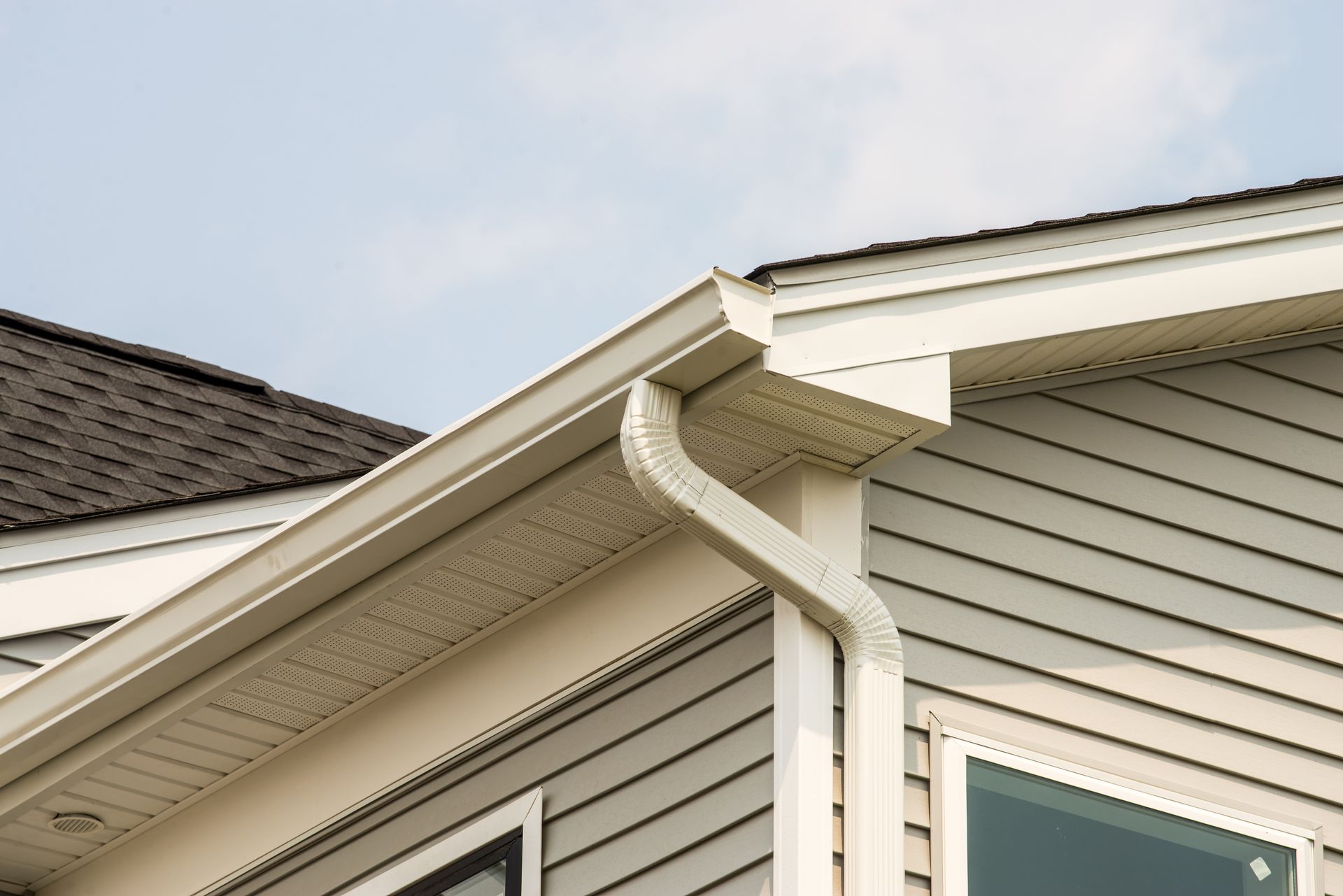
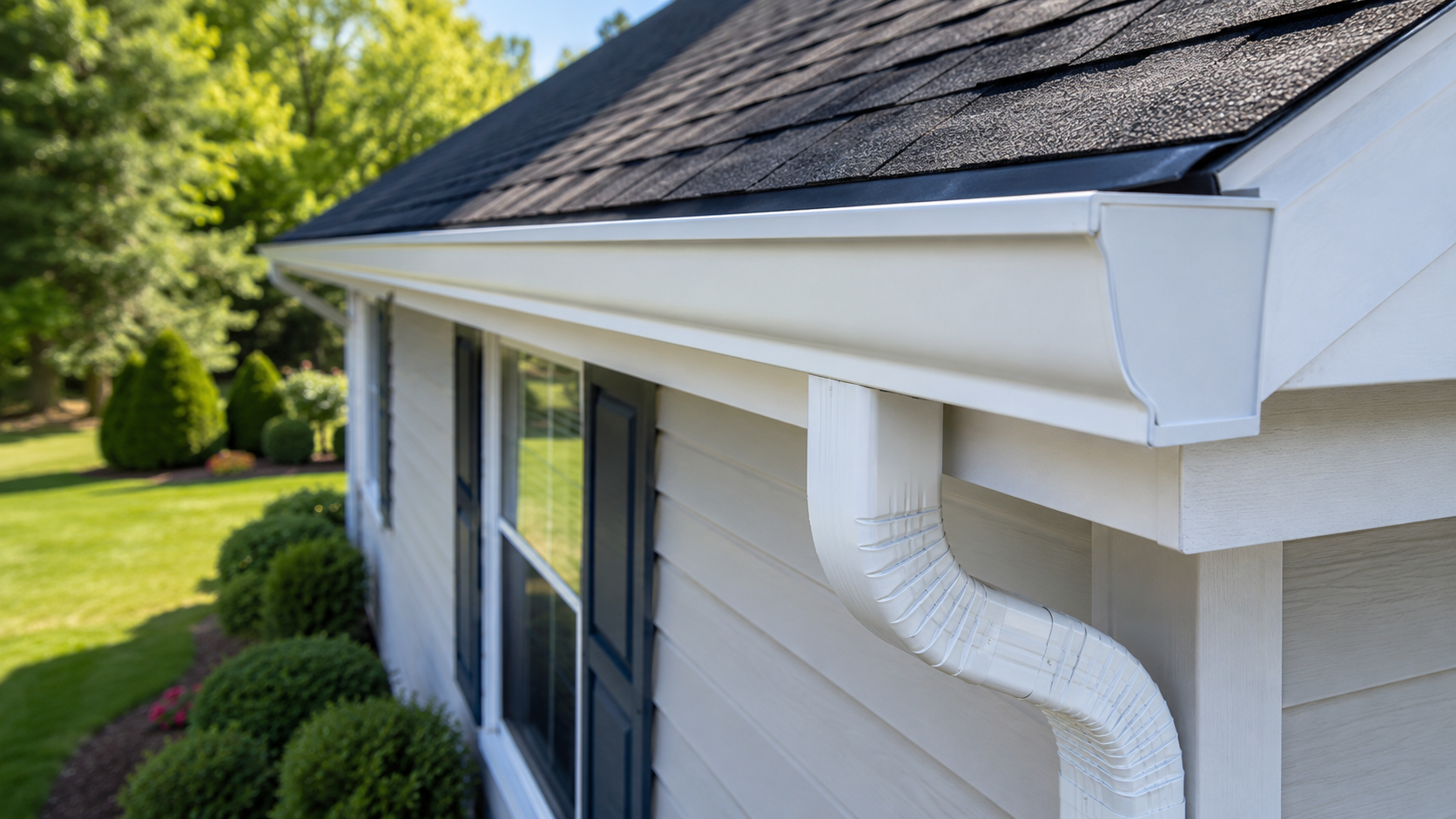
A good drainage plan starts at the roofline. Your gutters collect rainwater, but they need a safe place to send it. When paired with a proper seamless gutter installation, underground downspouts help move water away from the house before it has a chance to sit against the foundation.
Signs You Need Underground Drainage
Some drainage problems are easy to spot once you know what to look for. If water is regularly collecting near the home after rain, the downspout system may not be moving water far enough away.
Watch for these common warning signs:
- Water pooling within six feet of the foundation
- Mulch or soil washing away below downspouts
- Damp or musty basement smells after storms
- Muddy areas near walkways, patios, or planting beds
- Ice patches forming near downspouts in winter
- Gutters overflowing even after cleaning
- Water stains or erosion along the foundation line
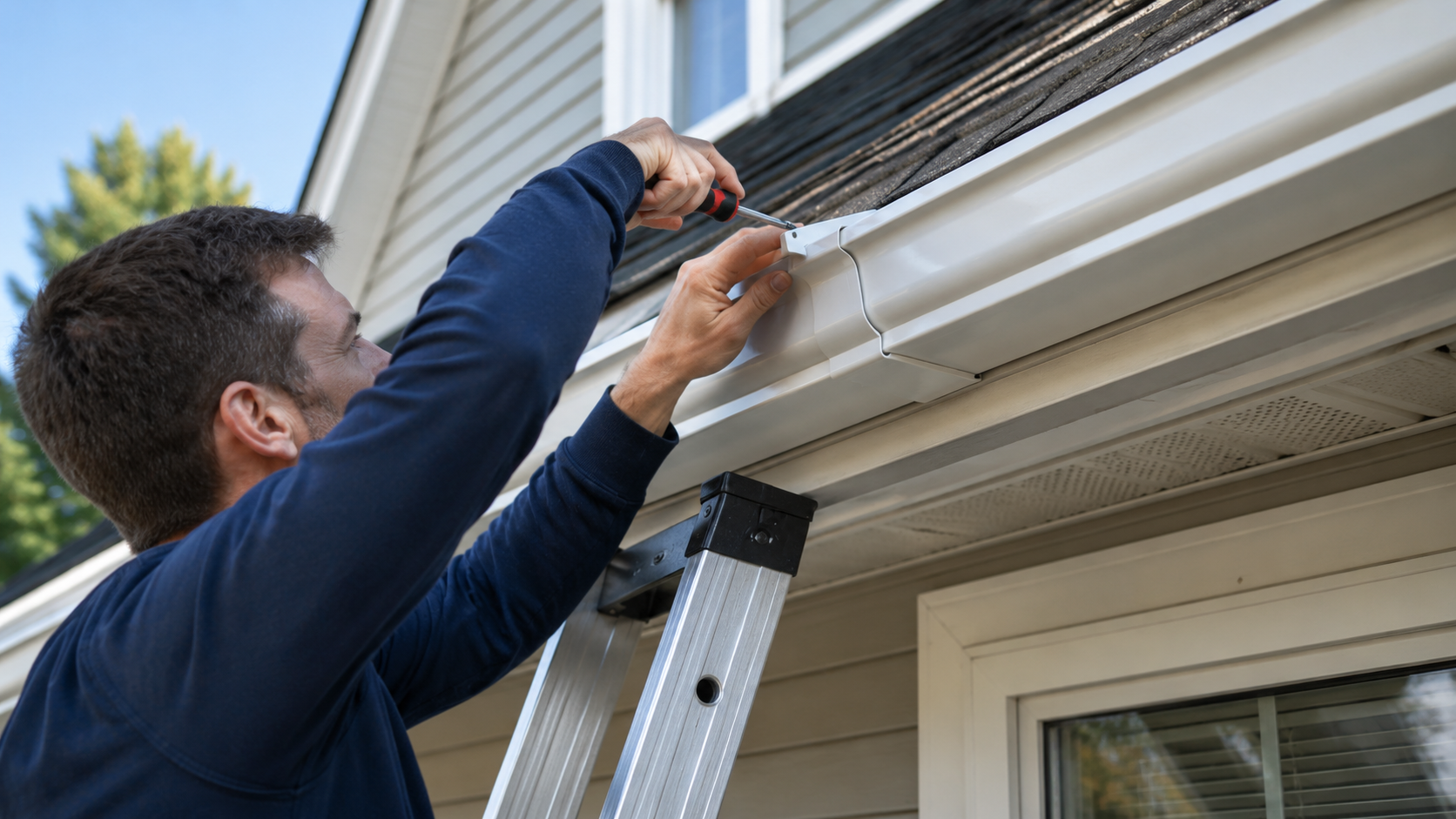
These problems do not always mean you need a full gutter replacement. Sometimes a drainage upgrade is enough, and sometimes the issue starts with loose gutters, damaged downspouts, or sections that are no longer pitched correctly. If the system is damaged, gutter repairs may be part of the solution before underground drainage is added.
How the System Works With the Rest of Your Gutters
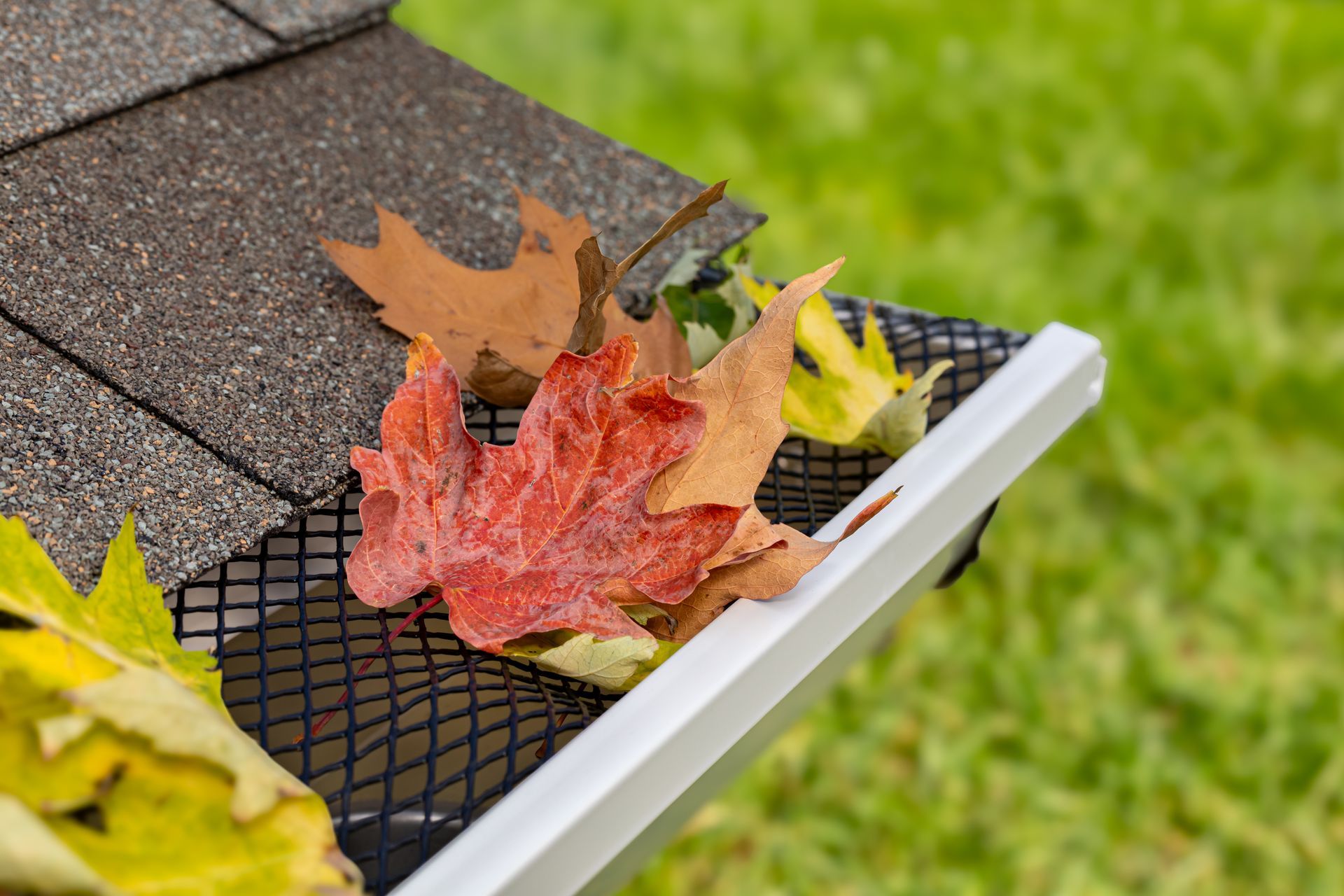
Buried downspout drainage only works well when the gutters above it stay clear. If leaves, pine needles, roof grit, or small debris enter the downspout, they can eventually clog the underground pipe. That is why the whole system should be planned together, not treated as separate pieces.
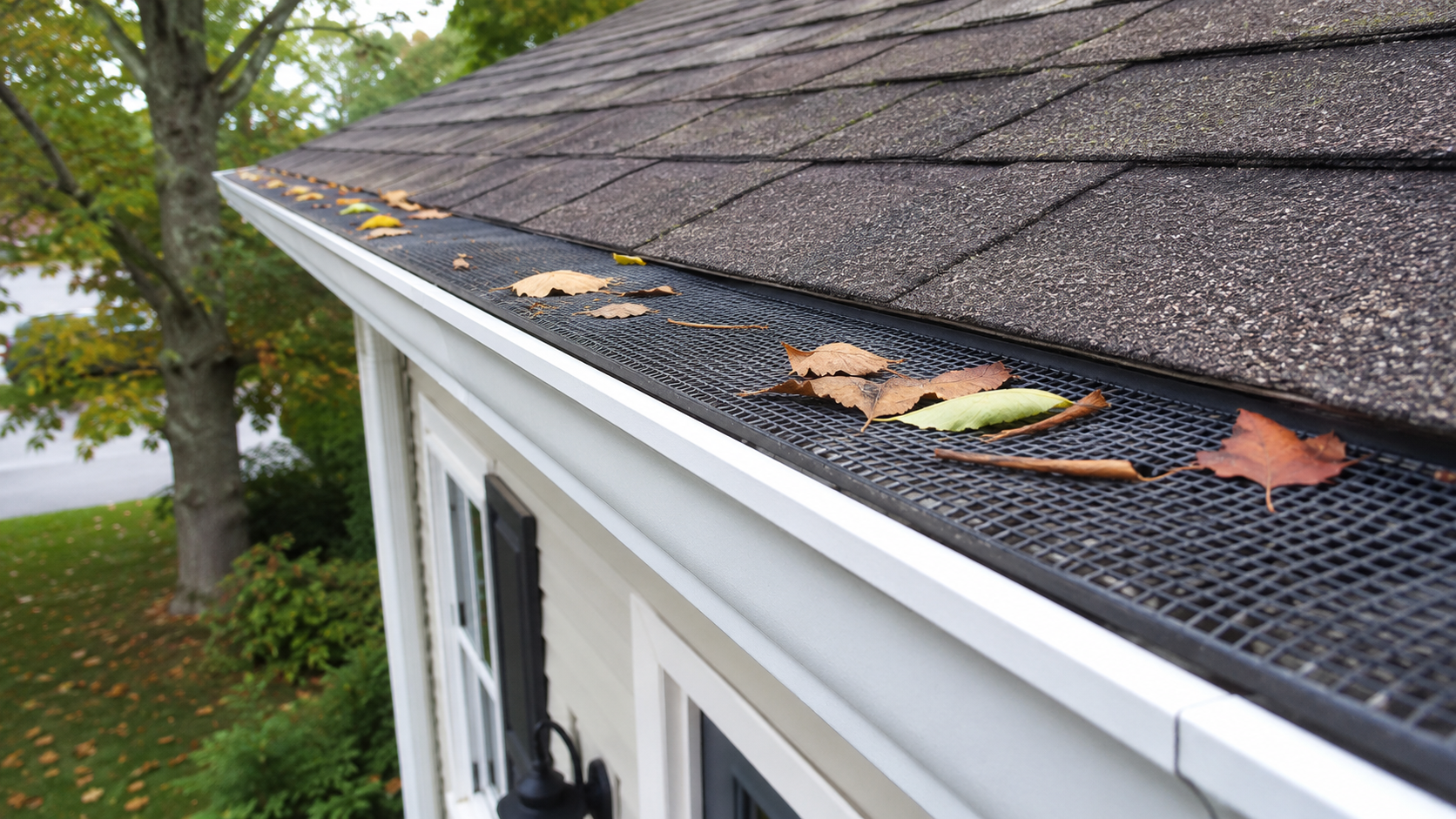
For homes with heavy tree coverage, gutter guards can help reduce the amount of debris entering the system. They do not remove the need for all maintenance, but they can help keep water moving more consistently during heavy rain.
Routine gutter cleaning is also important. Clean gutters allow water to reach the downspouts instead of spilling over the edges. If you are investing in underground drainage, keeping the gutter system clear helps protect that investment.
What Does Installation Involve?
Installing underground downspouts usually starts with looking at where water is currently going and where it should go instead. The installer needs to consider the slope of the yard, soil conditions, walkway locations, landscaping, and a safe discharge point. The goal is to move water away without creating a new problem somewhere else.
The installation often involves digging a trench, connecting the downspout to underground pipe, setting the correct pitch, and directing the water to a discharge area. In some cases, the system may end at a pop up emitter. In other cases, water may daylight at a safe spot away from the home.
The underground downspout cost depends on the distance the pipe needs to run, how much digging is required, the number of downspouts being connected, and the conditions of the yard. A short, simple run will usually cost less than a longer run with roots, hard soil, tight access, or more complex drainage needs.
Underground Downspouts in Western MA and Hartford County
Homes in Western MA and Hartford County deal with weather that can make foundation drainage especially important. Heavy rain, snow melt, spring storms, fall leaves, and freeze and thaw cycles can all push water toward the foundation when gutters and downspouts are not working correctly.
Soil conditions also matter. Some yards drain quickly, while others hold water longer after storms. If water keeps collecting near the house, the issue may not be the amount of rain alone. It may be that the home needs a better way to move roof water away from the foundation.
Advanced Seamless Gutters helps homeowners with gutters in Hartford, CT and throughout nearby Connecticut communities. We also serve homeowners across Western Massachusetts. You can view our full list of areas we serve to see if we work in your town.
Long Term Value for Your Home
Underground drainage is not just about making the yard look cleaner. It can help reduce the risk of water collecting near the foundation, washing out landscaping, creating slippery ice patches, or adding moisture pressure around basement walls.
For many homeowners, the value comes from preventing bigger problems. Foundation repairs, basement water damage, damaged fascia, washed out landscaping, and repeated drainage fixes can cost far more than addressing the water source early.
If you already notice pooling water, soggy soil, or basement moisture after storms, it is worth having the drainage checked. A simple assessment can help show if underground downspouts make sense for your home.
Get a Free Underground Downspout Quote
If water is collecting near your foundation, your downspouts may not be moving water far enough away from the house. Underground drainage can help protect your foundation, basement, landscaping, and walkways from water problems.
Advanced Seamless Gutters provides underground downspout installation for homeowners throughout Western MA and Hartford County, CT. To find out what your home needs, request a free quote today.
Frequently Asked Questions
Do underground downspouts freeze in winter?
They can freeze if they are not installed with proper pitch or if water and debris sit inside the pipe. A good installation helps water drain away from the home instead of sitting in the line during freezing weather.
How far should downspouts drain from the house?
Water should be moved far enough away that it does not collect near the foundation or flow back toward the home. The right distance depends on the slope of the yard, soil conditions, and where the water can safely discharge.
Can underground downspouts be added to existing gutters?
Yes, in many cases they can be added to an existing gutter system. The gutters and downspouts should be checked first to make sure they are in good condition and moving water properly.
Are underground downspouts worth it?
They can be worth it if water is pooling near the foundation, washing out landscaping, or contributing to basement moisture. They create a cleaner and more reliable way to move roof water away from the home.
How much do underground downspouts cost?
The cost depends on the number of downspouts, pipe length, trenching, yard conditions, and discharge location. A free on site assessment is the best way to get an accurate price for your property.